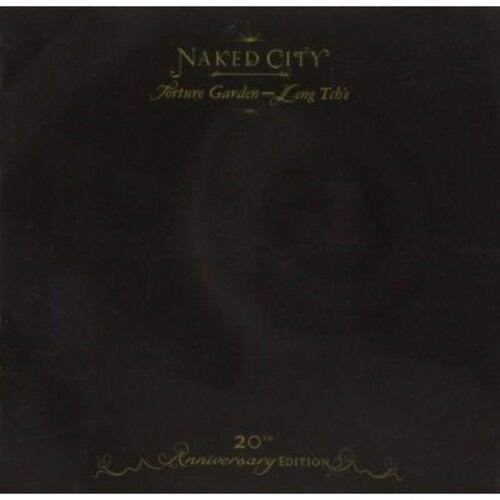
Dozens of hyper‑short “songs” smash grindcore, jazz, surf, and soundtrack music into a seizure of jump cuts, prefiguring brutal prog’s love of violent structural edits.
Core (Defining Brutal Prog Albums)
The Core records are the heart of brutal prog: the albums that most clearly define the genre’s sound, attitude, and mythology. Here you’ll find the bands and releases that fans and musicians point to when they say, “This is what brutal prog is.” They’re more demanding than the Gateway picks, but still structured enough that you can trace the compositions and hear the logic inside the chaos.
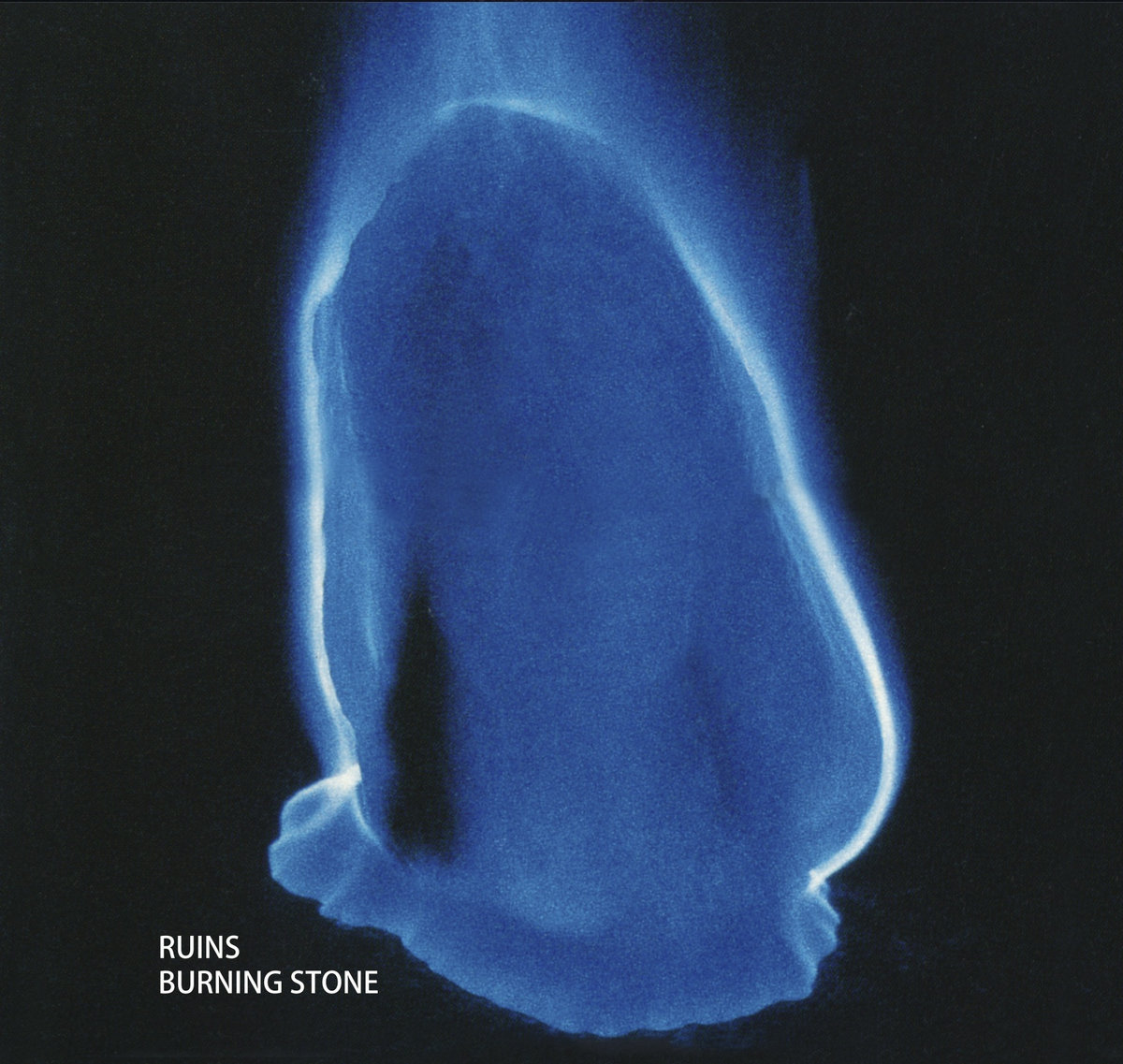
Ferocious drum/bass interplay and invented‑language vocals transform Zeuhl and hardcore into something leaner and more violent, laying core groundwork for the brutal prog aesthetic.
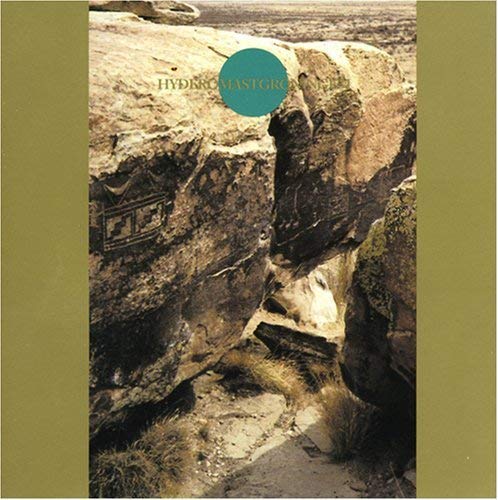
Bass-and-drums Zeuhl on fast‑forward: barked vocals, twisting riffs, and manic stop‑start grooves that still feel oddly catchy once your ears adjust.
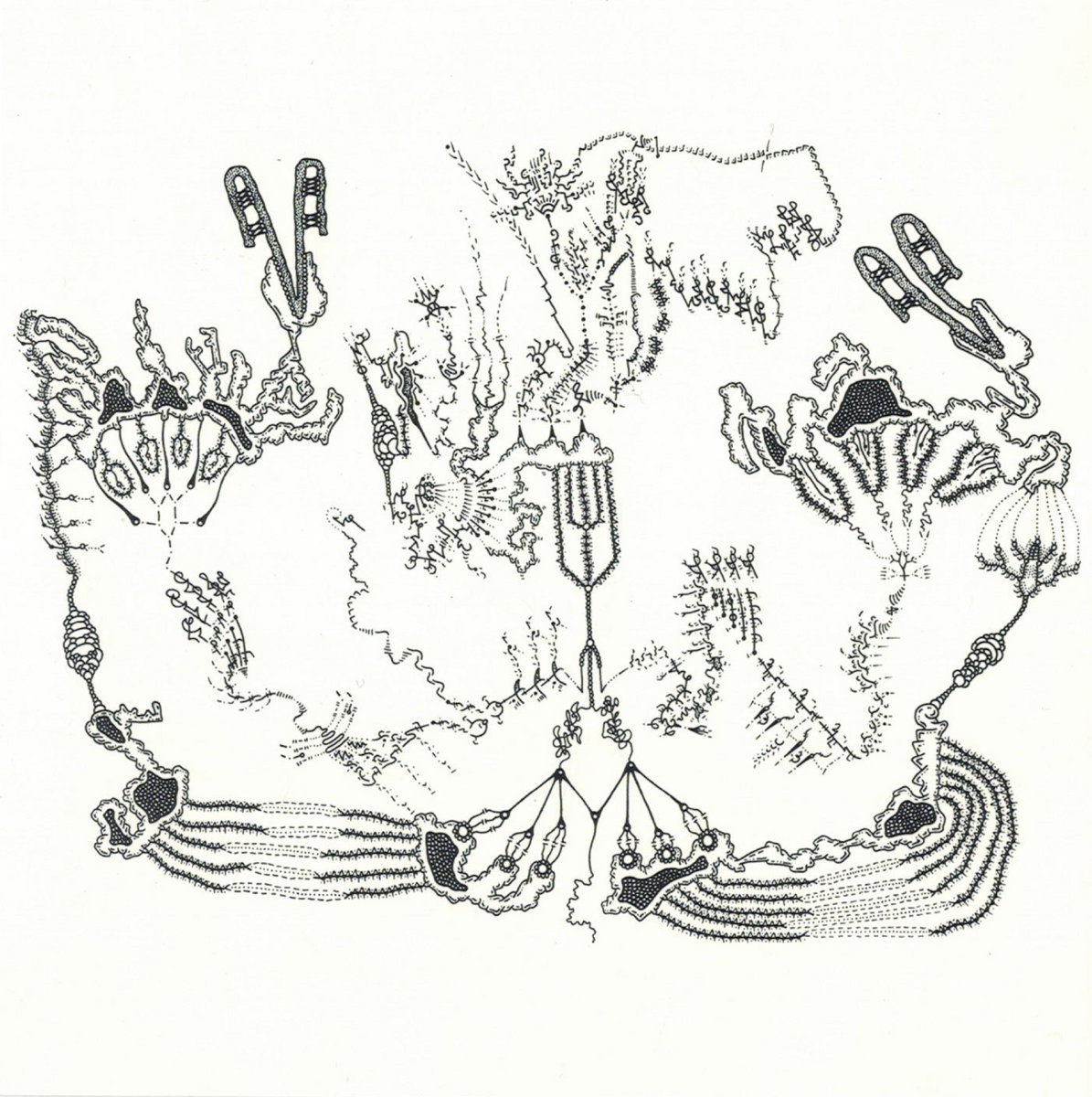
A blitz of ultra‑short, hyper‑precise guitar/drum shards, this EP plays like a schematic for Orthrelm’s later extremity—dense, atonal, and so tightly wound it feels more like technical drawing than rock music.
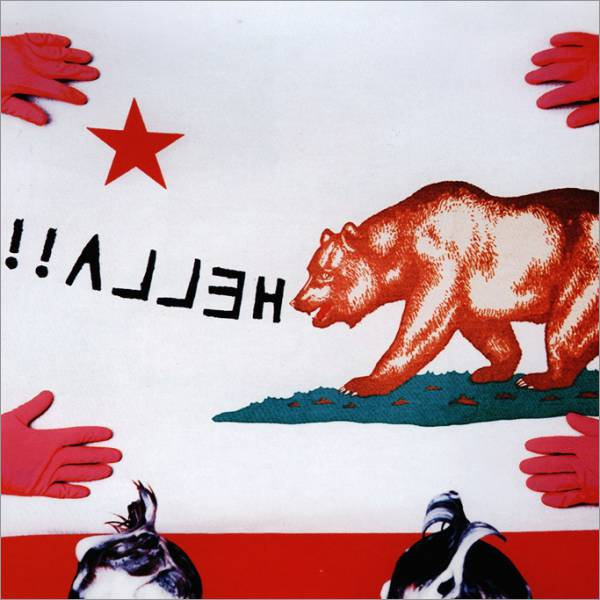
Lightning‑fast drums and splintered guitar lines explode punk energy into impossible patterns, making this a key early‑2000s reference point for how far a duo can push complexity and intensity without abandoning sheer adrenaline.
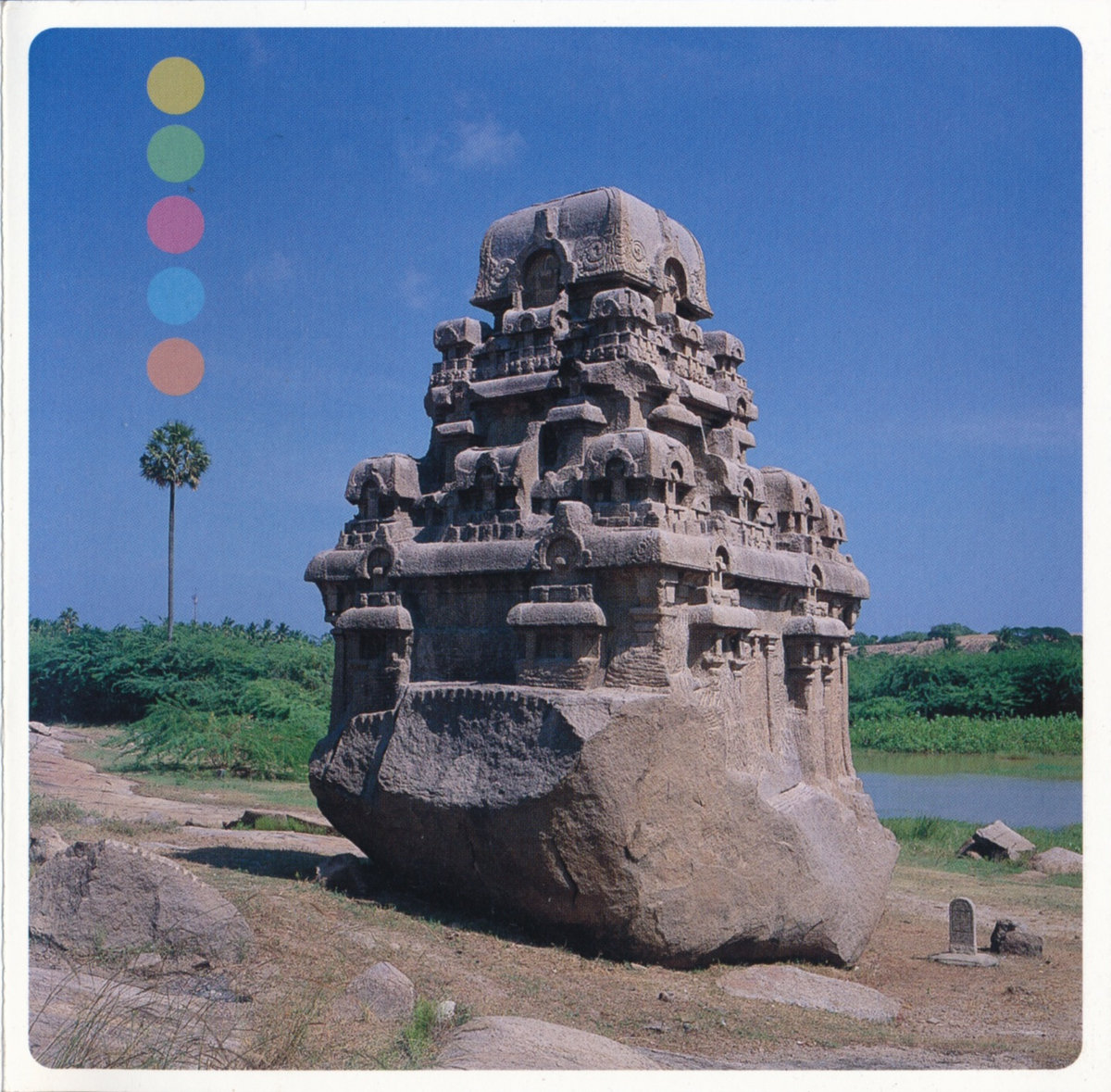
Compact, high‑speed songs that distill Ruins’ complexity into concentrated blasts, each track a tiny maze of meter changes, starts, and sudden drops.
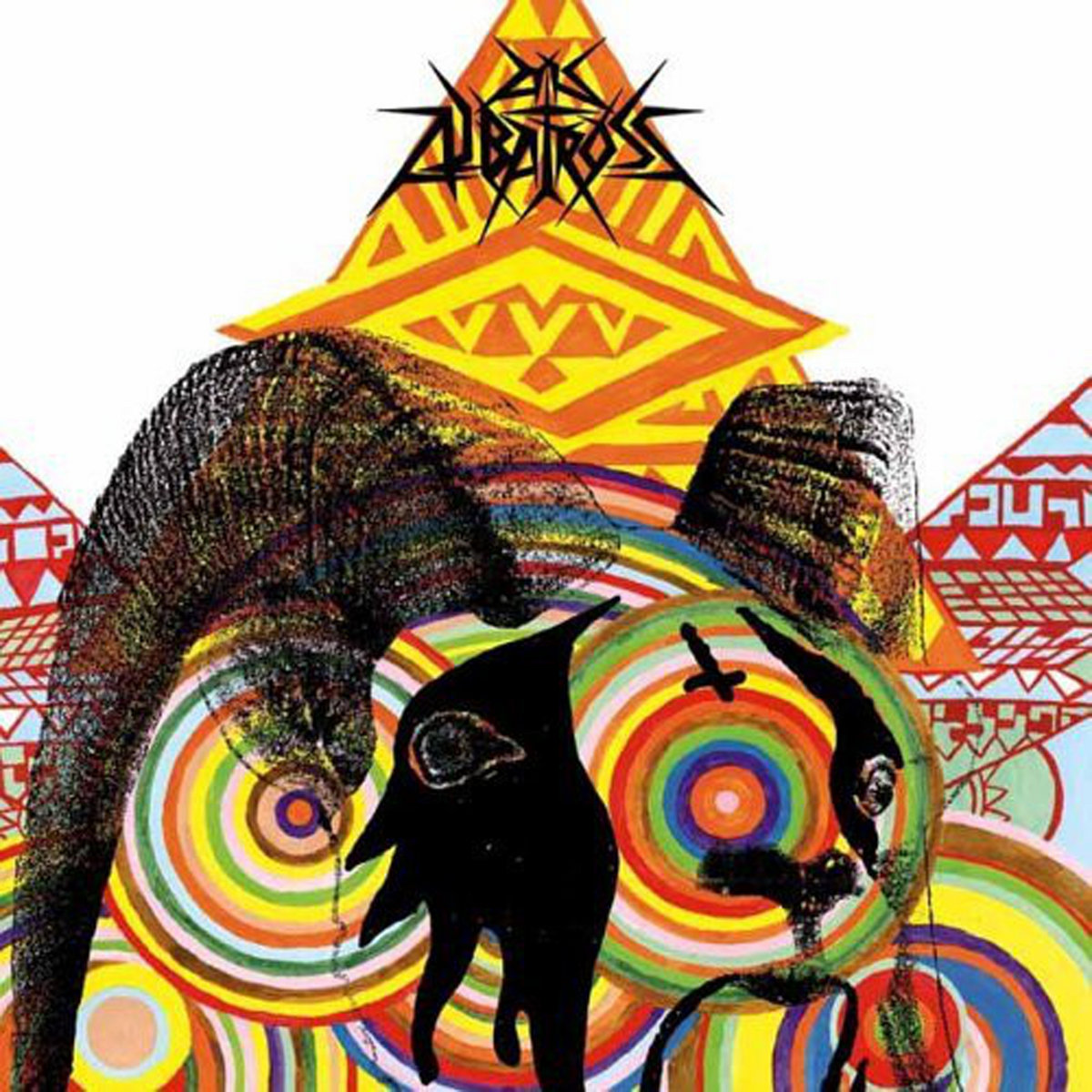
Organ‑driven, hyper‑colorful blast of “psychedelic grindcore” that crams prog‑rock keyboards, manic vocals, and spastic time changes into songs often under two minutes—like if Naked City grew up on Atari games and hardcore shows.
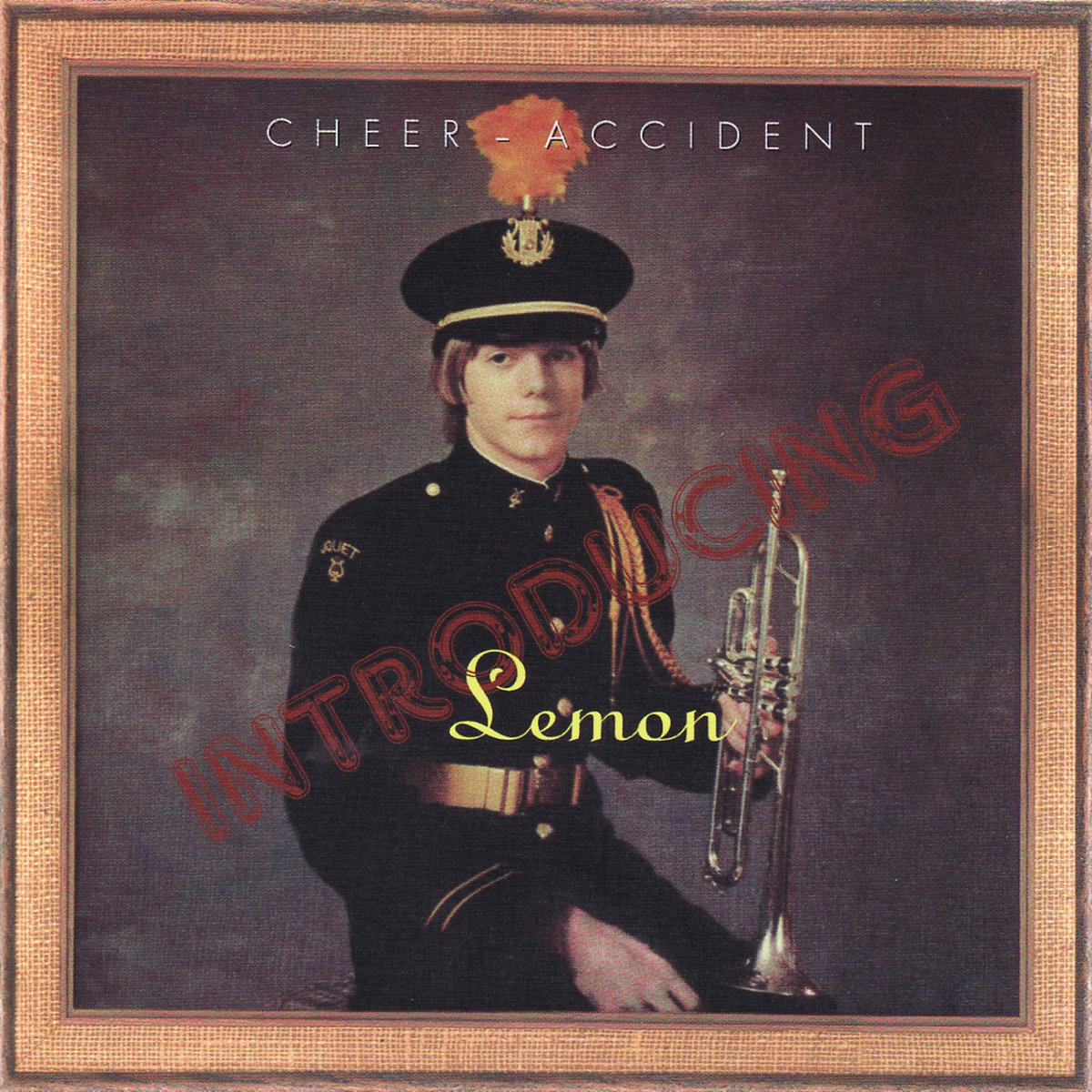
A sprawling, 74‑minute opus recorded by Steve Albini, moving from 22‑minute epics and deconstructed prog to mutant pop songs and tape collage; it’s perhaps the band’s most definitive blend of art‑rock ambition and absurdist songcraft.
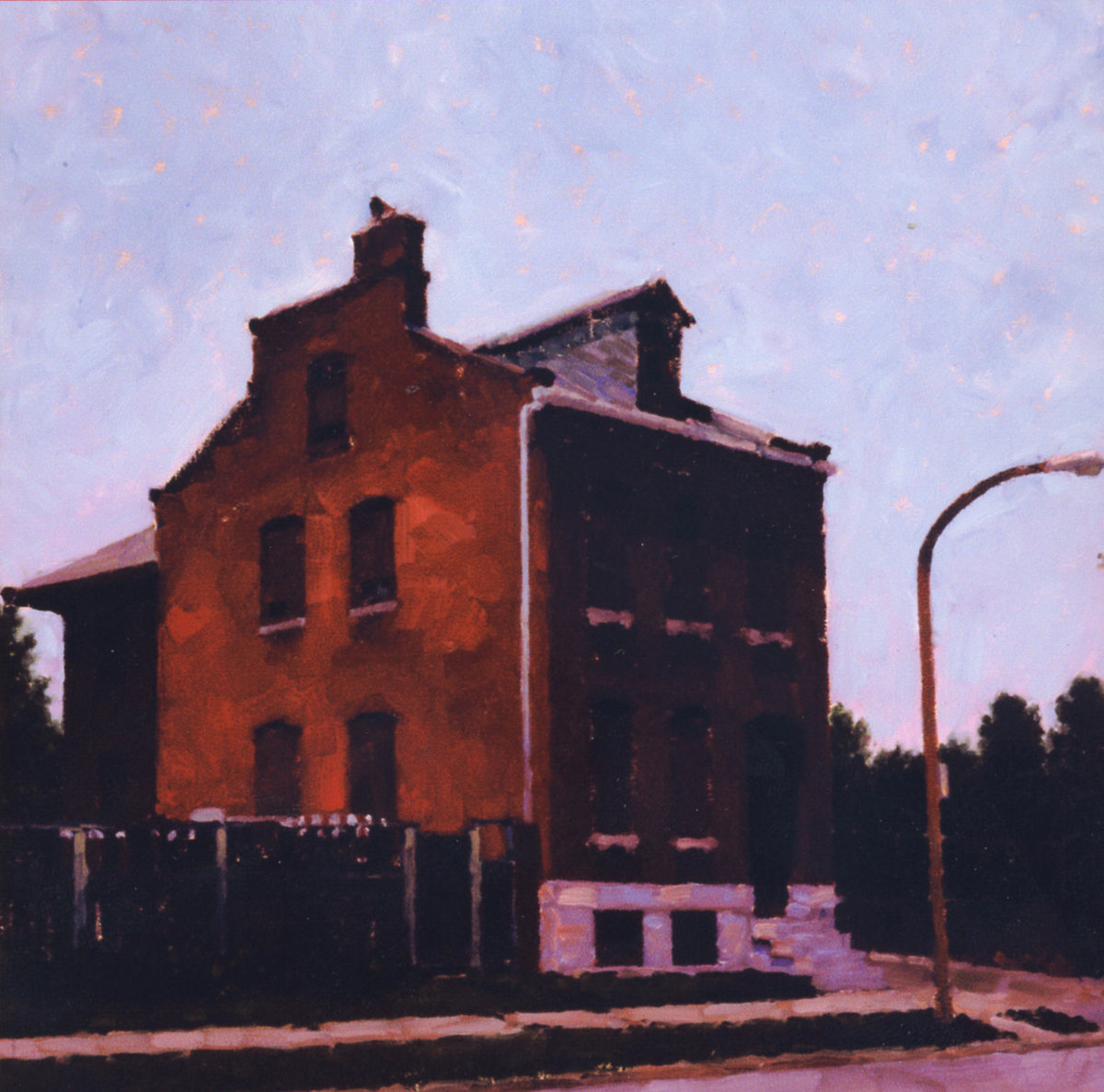
A bristling St. Louis power trio that treats odd‑meter riffs like raw material for dissection; long, through‑composed pieces dissolve grooves into jagged, microscopic detail, neatly slotting between math rock, avant‑prog, and full‑on brutal prog.
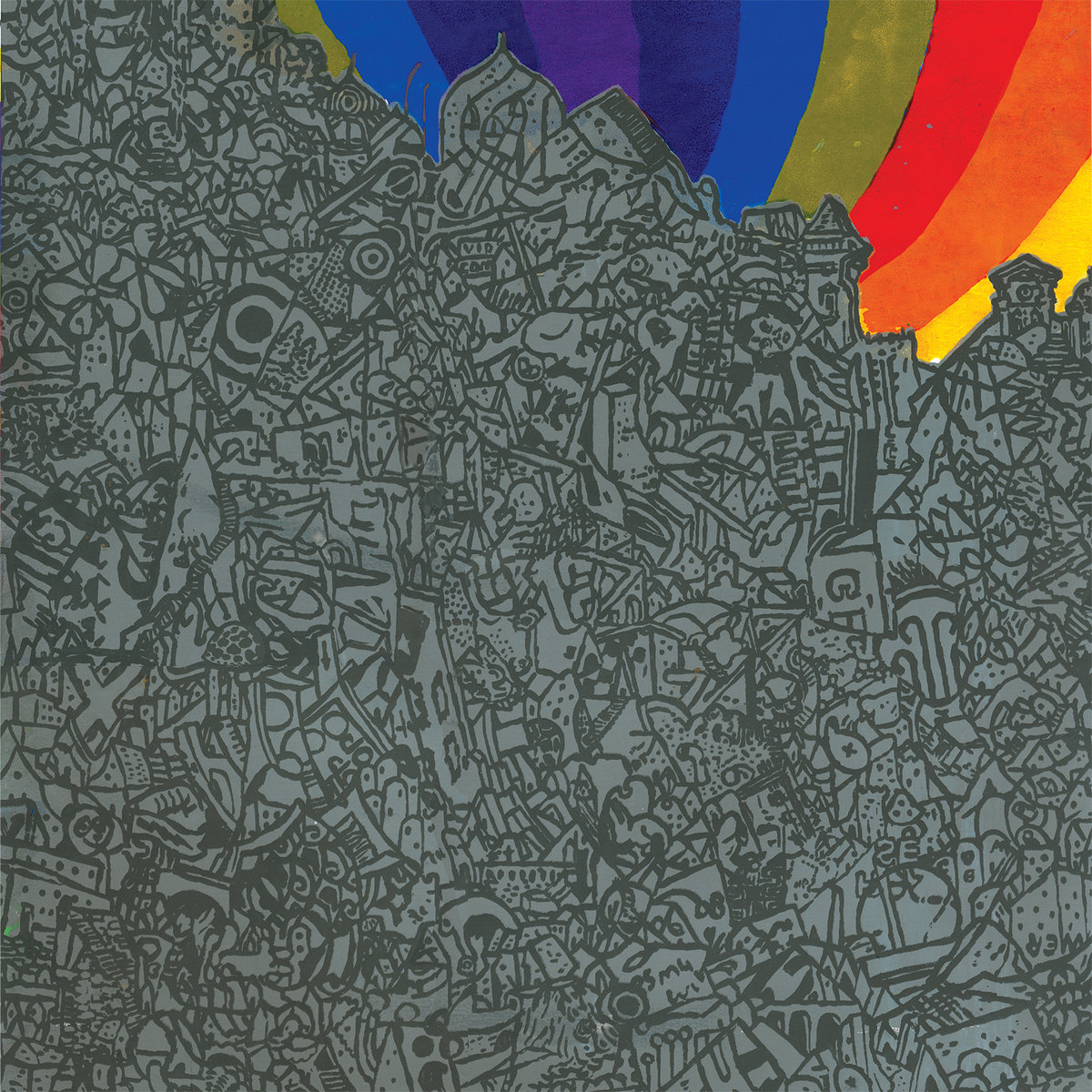
Bass‑and‑drums noise explosions that blur punk, prog, and free improvisation into blown‑out anthems; it’s relentlessly loud, but the riffs are weirdly unforgettable.
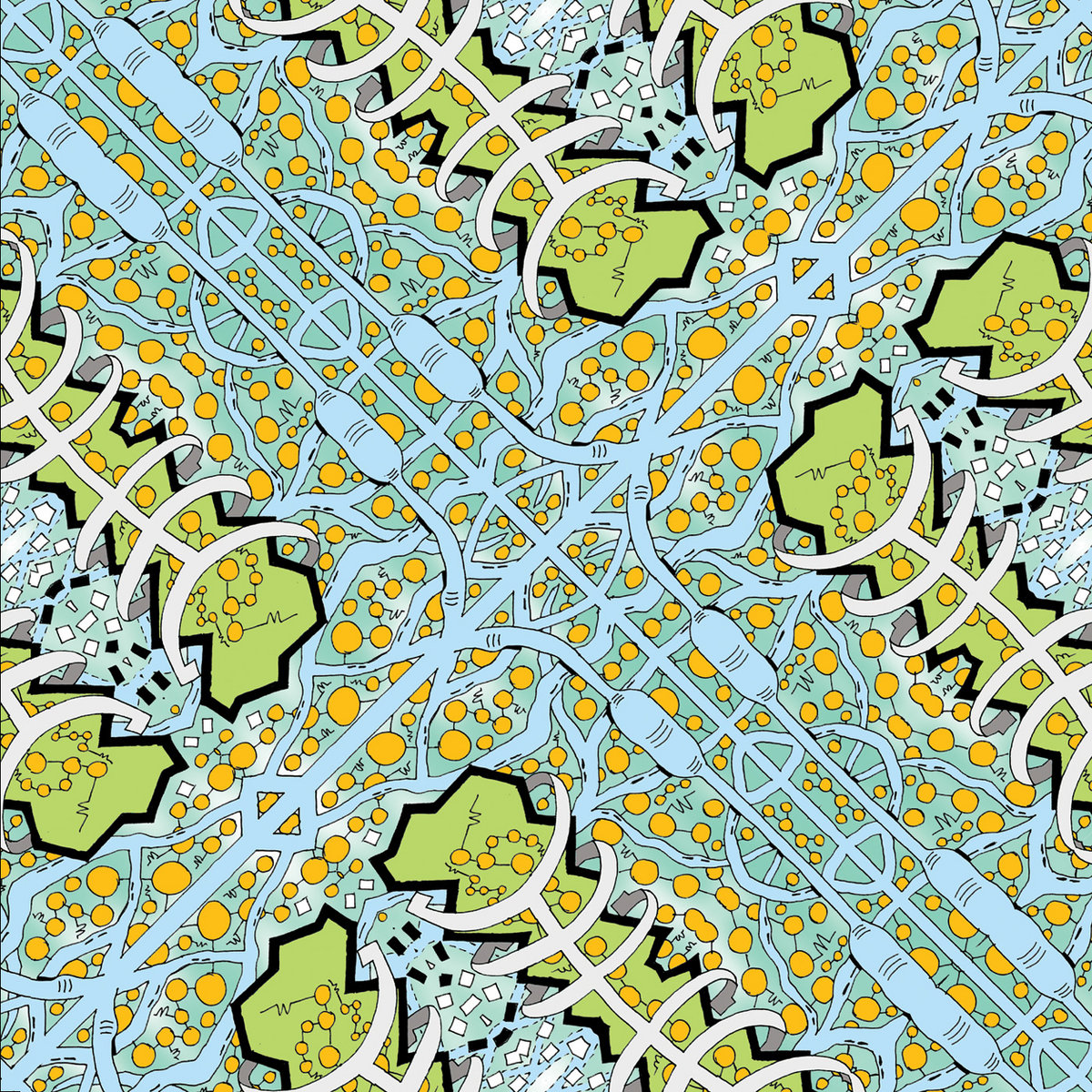
A concept album about universal collapse rendered as jagged guitar riffs, spasmodic bass lines, and blast‑beat drumming; it’s one of the clearest statements of brutal prog’s apocalyptic, hyper‑composed vision.
Dense, dissonant compositions and martial rhythms evoke a universe ground into nothingness, pushing rock instrumentation to orchestral levels of intensity.
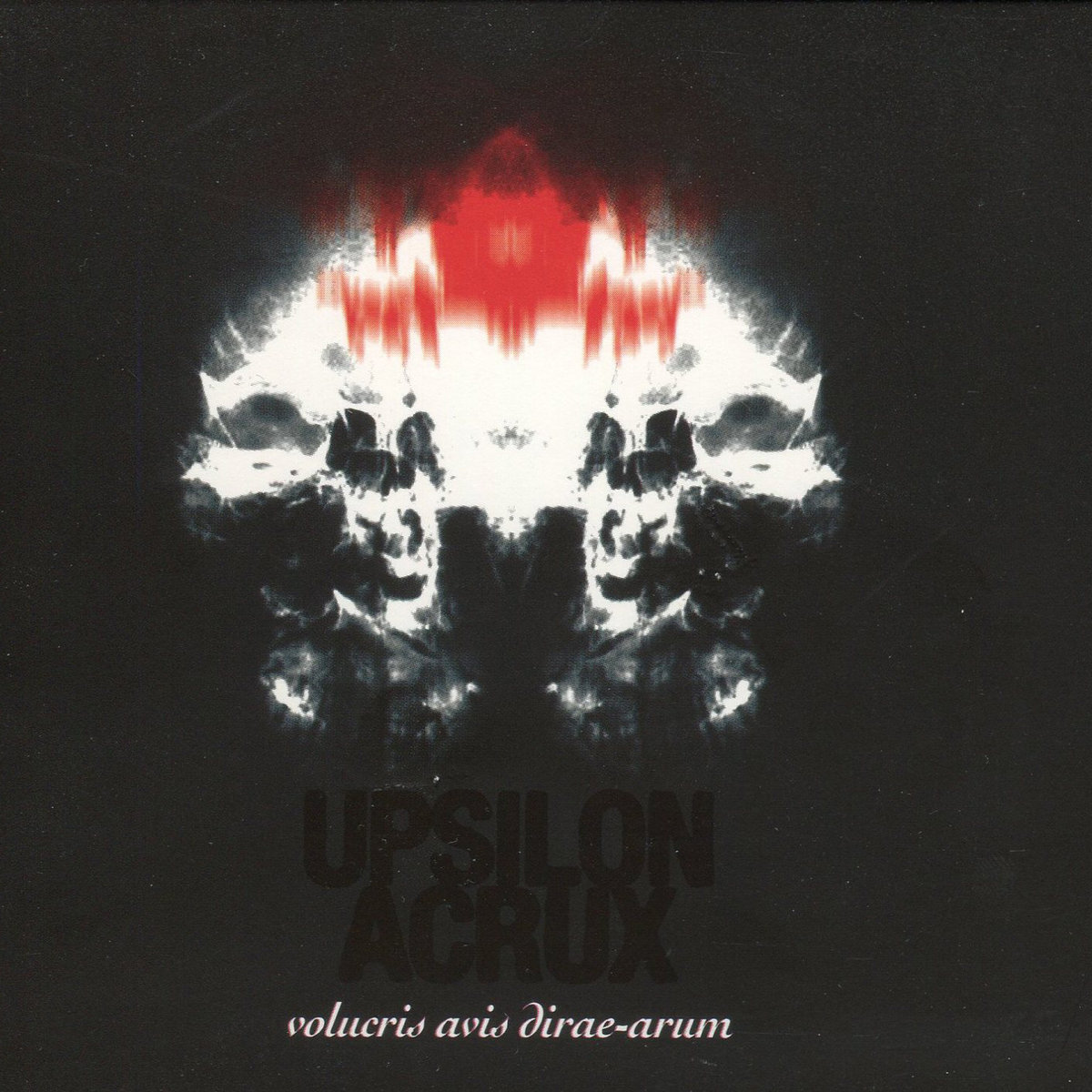
Early‑2000s Upsilon at their most raw and explosive: tangled dual‑guitar lines, sudden tempo gearshifts, and dissonant, through‑composed pieces that sound like classic Mahavishnu blown apart and reassembled as jagged math‑noise.
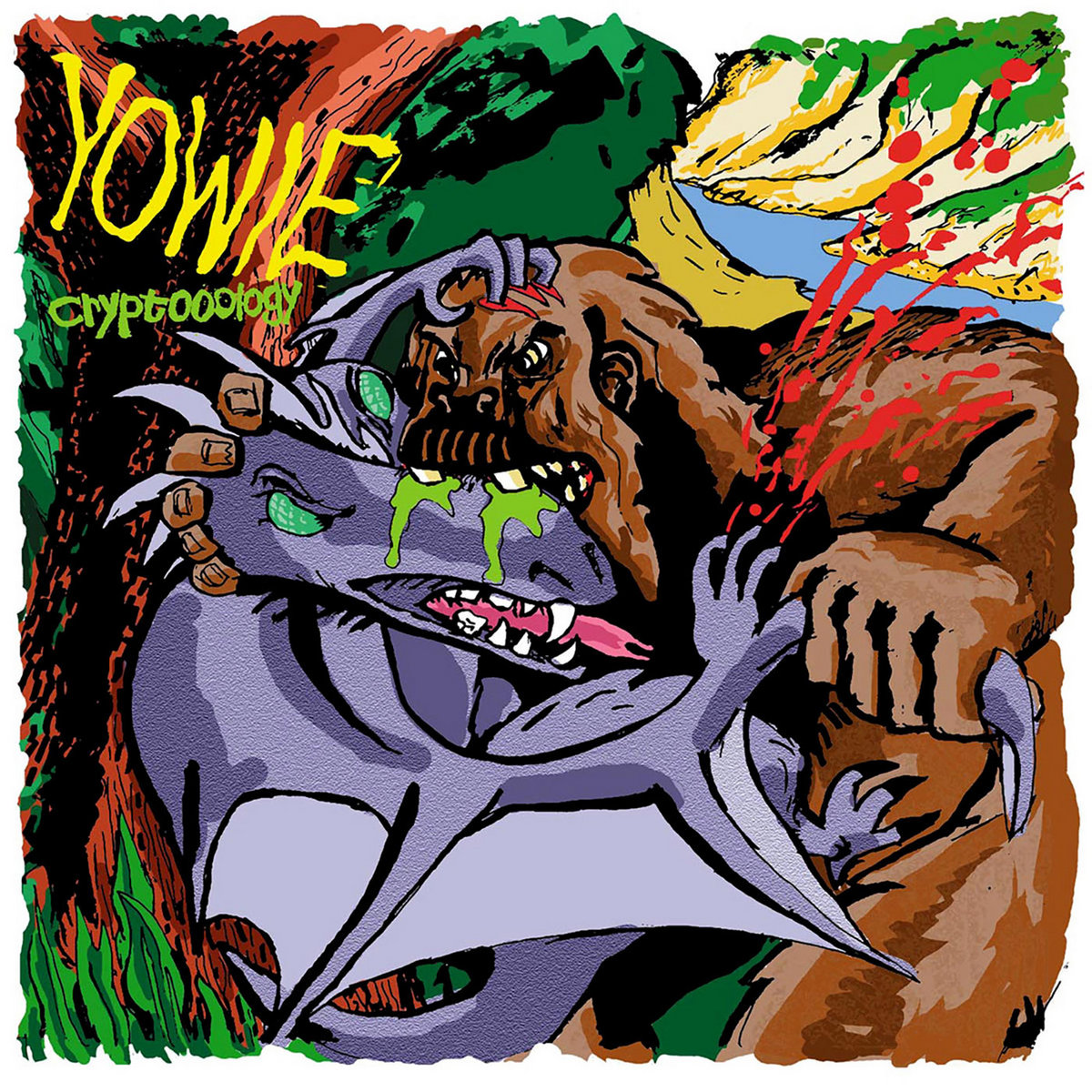
Hyper‑precise twin‑guitar and drums arrangements that sound like math rock after a nervous breakdown—no riffs ever quite resolve, and the constant metric feints make this a quintessential example of rock pushed to inhuman structural extremes.
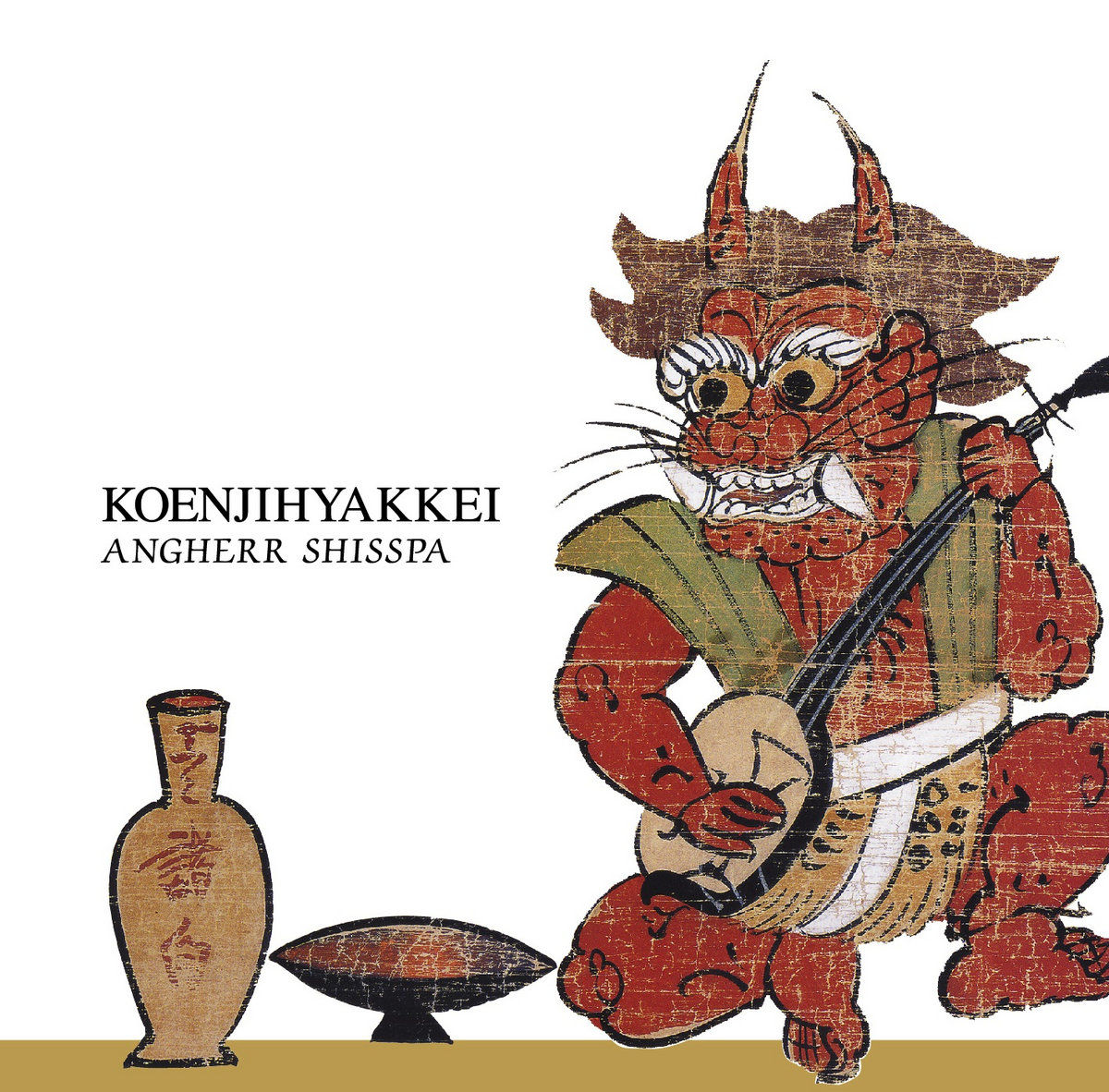
Hyperactive Zeuhl with operatic vocals and big, memorable themes; it’s maximal and frantic, but the melodies and recurring motifs give listeners something to hold onto.
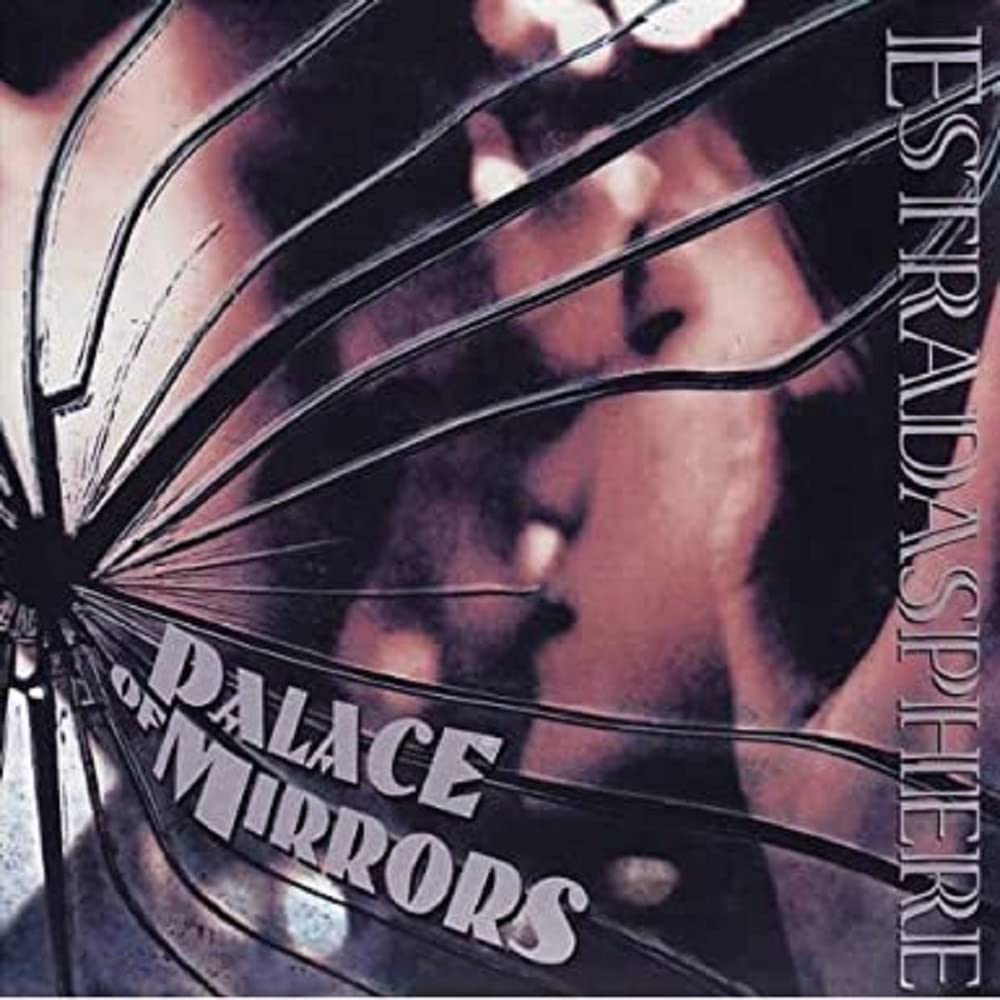
A cinematic “multi‑soundtrack” that veers through prog, klezmer, jazz, spaghetti‑western, game‑music and metal with absurd fluency—cohesive enough to feel like one long film score, constantly changing masks.
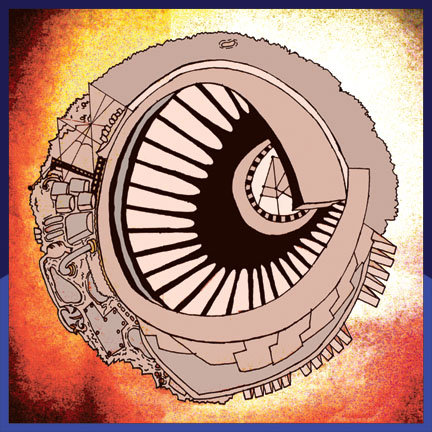
A pre‑hiatus escalation of the band’s destruction mythos—relentless tempo, harsh tones, and labyrinthine structures that feel like a war between free‑jazz and death metal.

Brooklyn avant‑chamber group applying new‑music rigor to rock instrumentation: long, fiercely notated pieces for saxes, guitar and drums that circle tiny motifs until they become razor‑edged walls of rhythm and dissonance.

Chicago art‑rock that folds brutal, jagged arrangements into actual songs, with vocals, hooks, and wry humor softening the blow of its rhythmic whiplash.
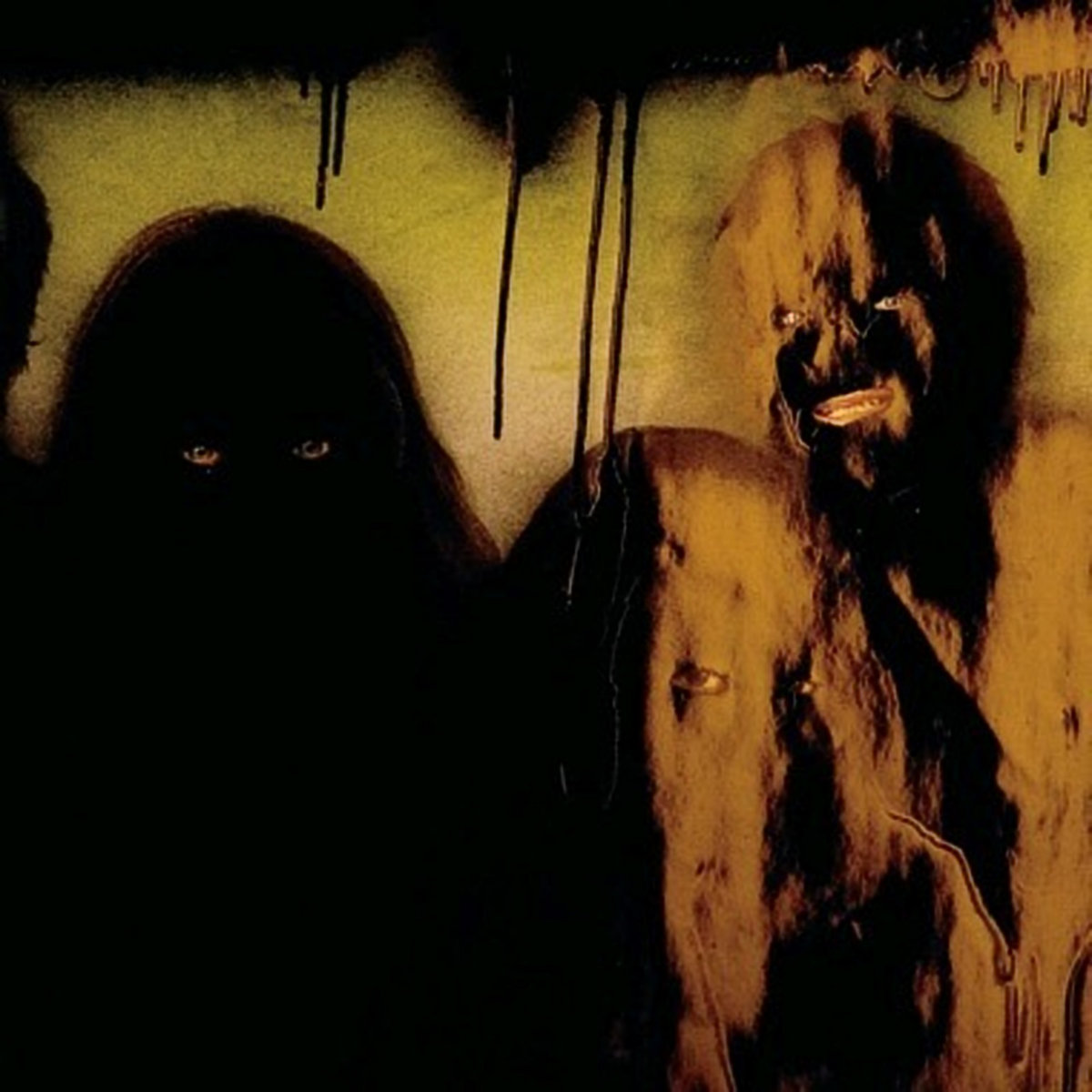
Brooklyn trio fusing skronk‑jazz, noise rock, and grindy prog into tightly composed songs; distorted keys, blown‑out bass and frantic drums make this feel like a Luttenbachers/Zs cousin gone fully feral.