A raw, often live‑sounding snapshot of Ruins at their most deranged, with swerve‑after‑swerve arrangements that barely seem possible for two players.
Deep End (Most Extreme / Experimental)
The Deep End is where brutal prog stops flirting with extremity and fully commits to it. These albums stretch repetition, speed, density, and dissonance to breaking points; they often feel more like endurance tests, abstract art, or hostile architectural spaces than “songs.” This is the territory for listeners who already love the Core material and want to see how far the idea of brutal prog can really go.
Rapid‑fire miniatures and impossible rhythmic detours make this one of the duo’s most disorienting listens, a nonstop barrage of left turns.
Earlier and rawer than Angherr Shisspa, this is Zeuhl at overwhelming speed: breathless vocals and shredding arrangements with almost no space to rest.
A blitz of ultra‑short, hyper‑precise guitar/drum shards, this EP plays like a schematic for Orthrelm’s later extremity—dense, atonal, and so tightly wound it feels more like technical drawing than rock music.
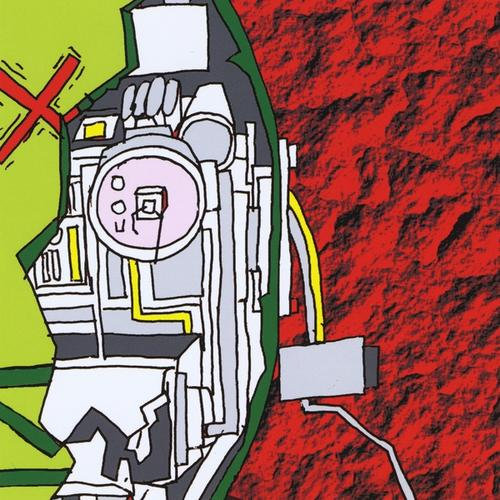
A feral collision of distorted guitar, bass, and hyperactive drums, this record blurs the line between free improvisation and rigorously plotted assault—and its unhinged cover of Magma’s “De Futura” openly connects the band’s chaos to Zeuhl’s apocalyptic lineage.
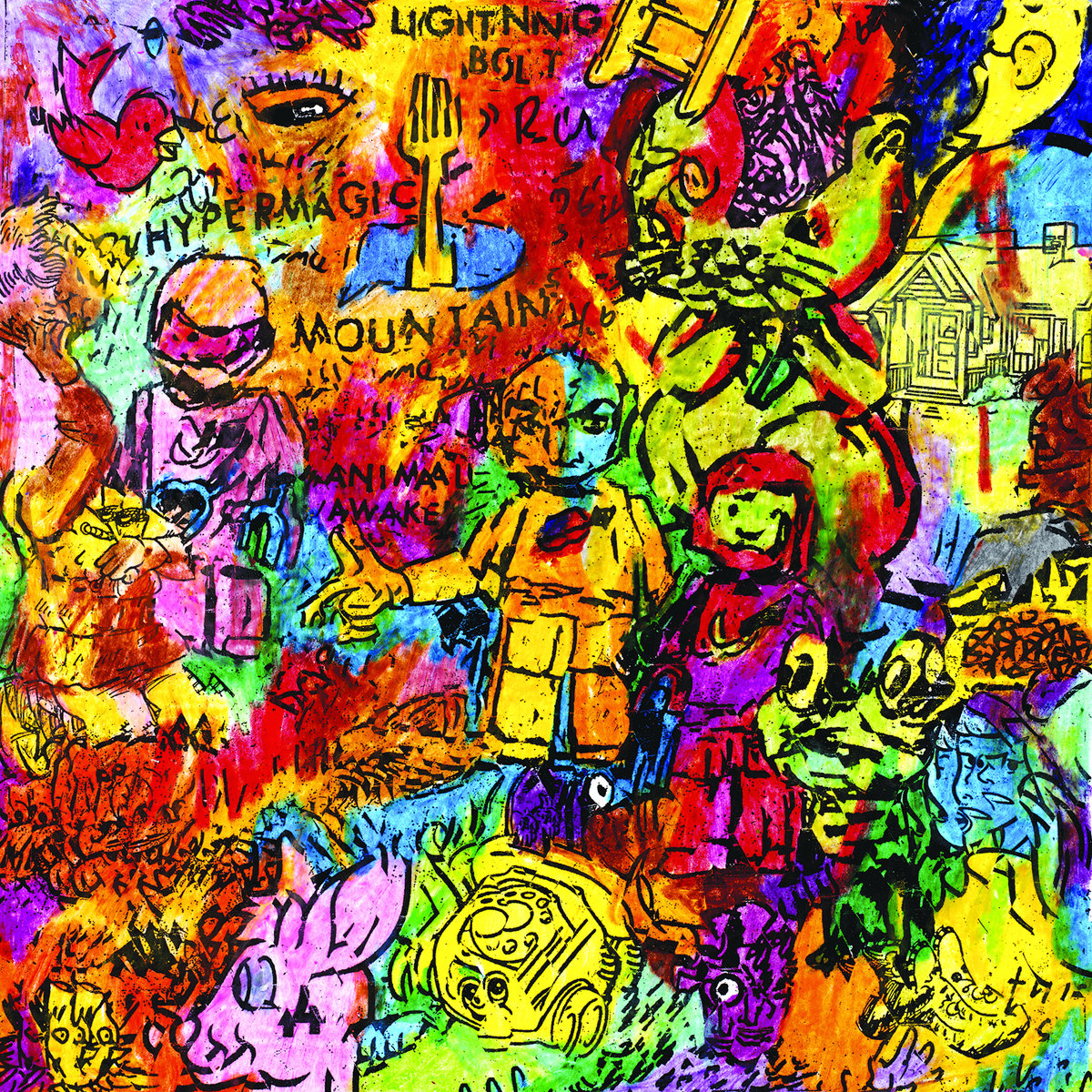
Extends the chaos of Wonderful Rainbow into even longer, louder, more stamina‑testing pieces that feel like being trapped inside an overdriven amp.
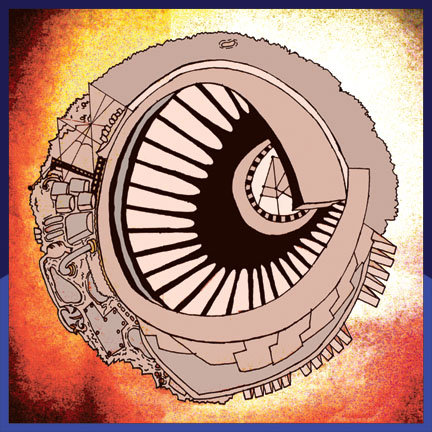
A pre‑hiatus escalation of the band’s destruction mythos—relentless tempo, harsh tones, and labyrinthine structures that feel like a war between free‑jazz and death metal.
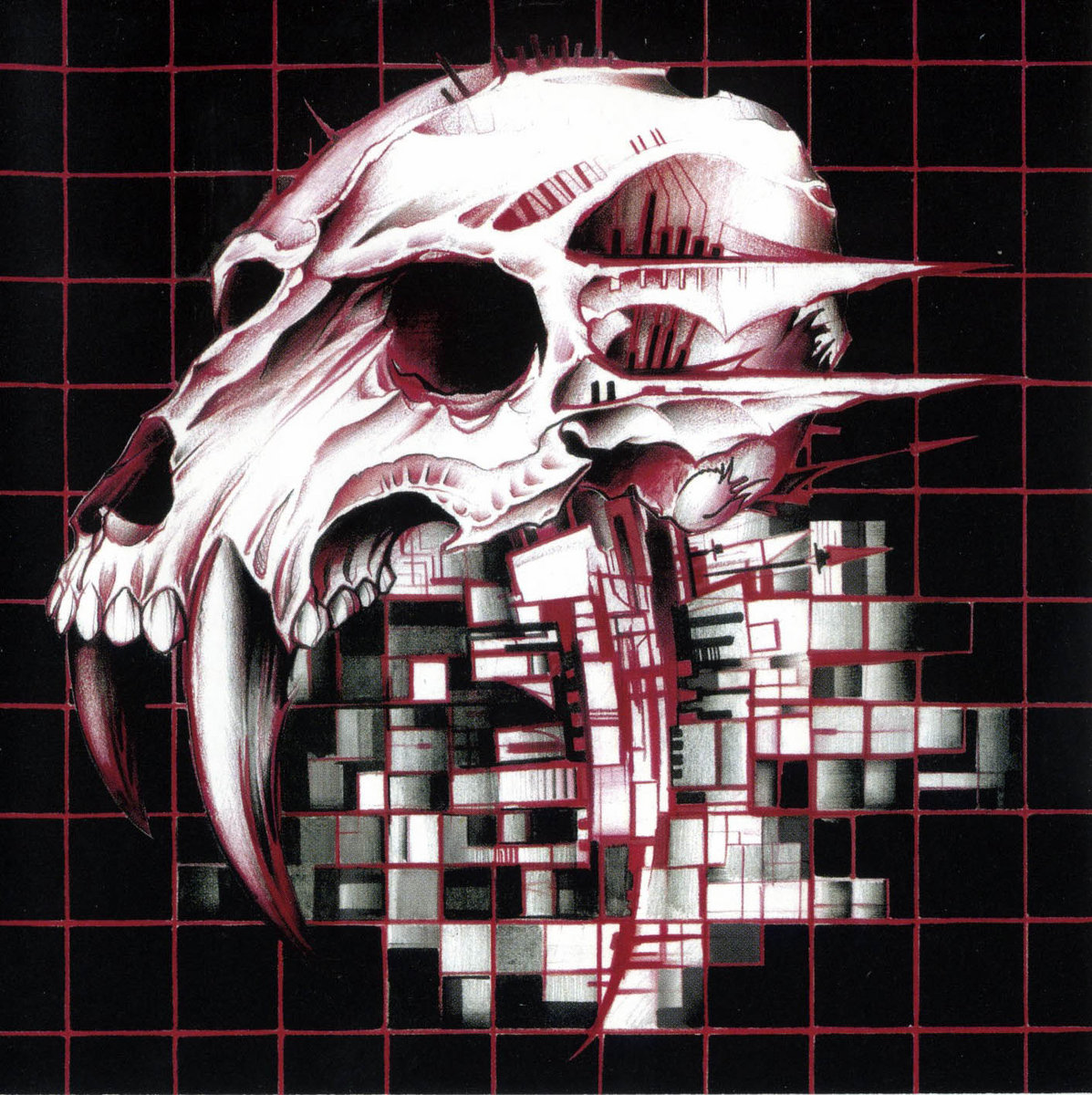
Tapping‑driven guitar lines and contorted rhythms create a hyper‑technical maze that often feels more like a hostile etude than a conventional metal album.
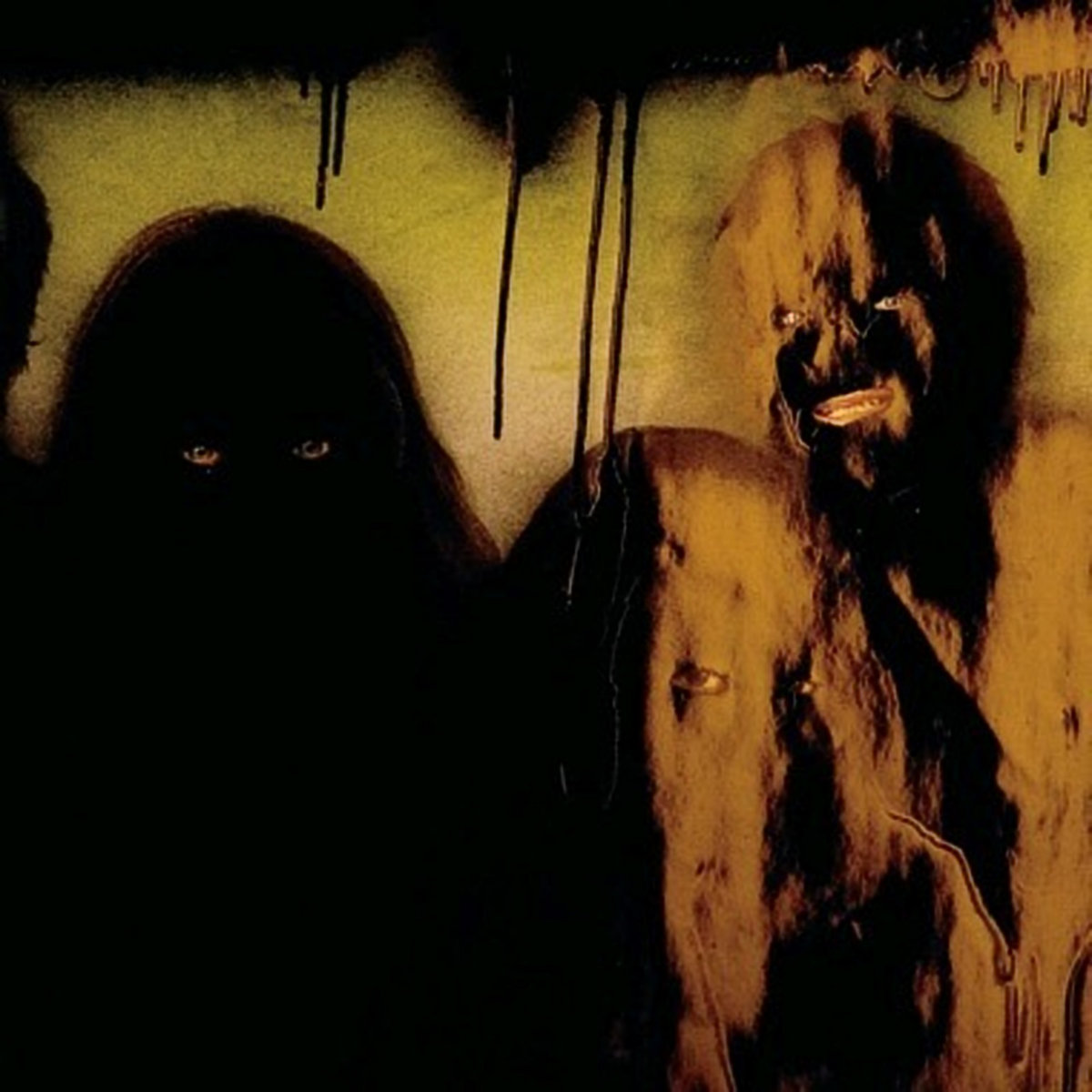
Brooklyn trio fusing skronk‑jazz, noise rock, and grindy prog into tightly composed songs; distorted keys, blown‑out bass and frantic drums make this feel like a Luttenbachers/Zs cousin gone fully feral.
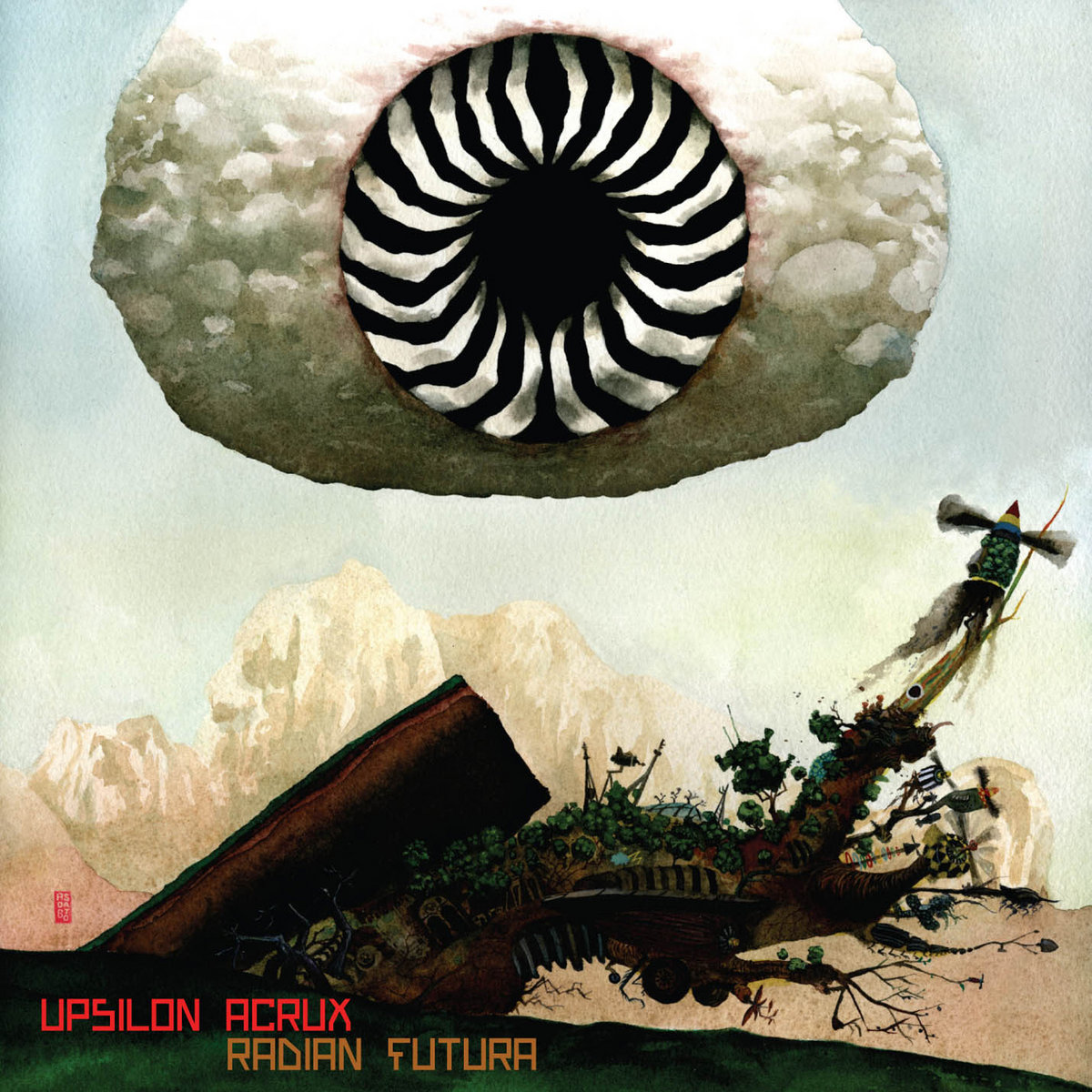
A denser, more tangled cousin to Sun Square Dialect, favoring relentless forward motion and knotty, overlapping lines over easy payoff.
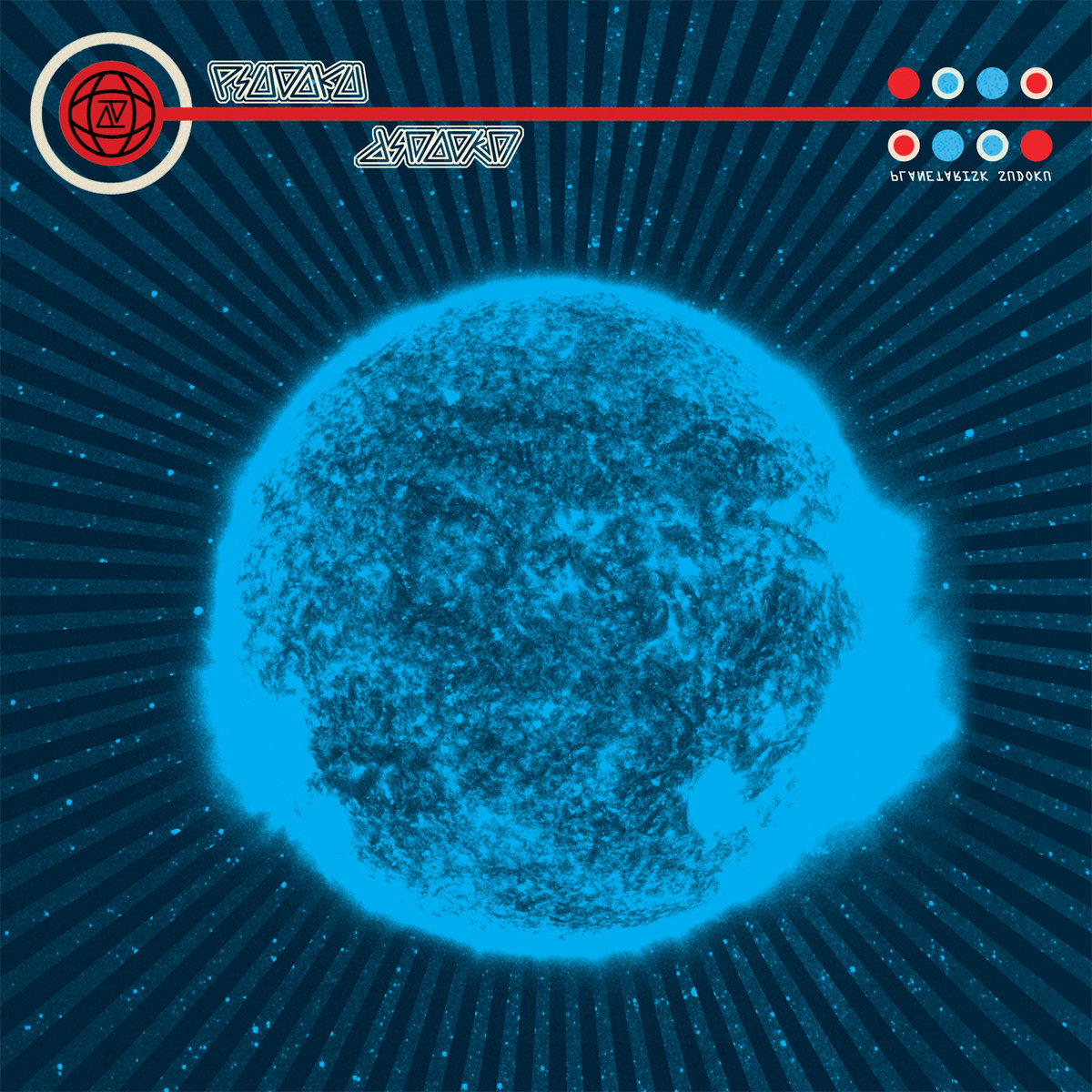
Norwegian “space grind” that asks what grindcore would sound like if it evolved from warped 70s prog instead of hardcore: four long tracks of keyboard‑drenched blast‑beats, multitracked vocals and sci‑fi harmonic weirdness.
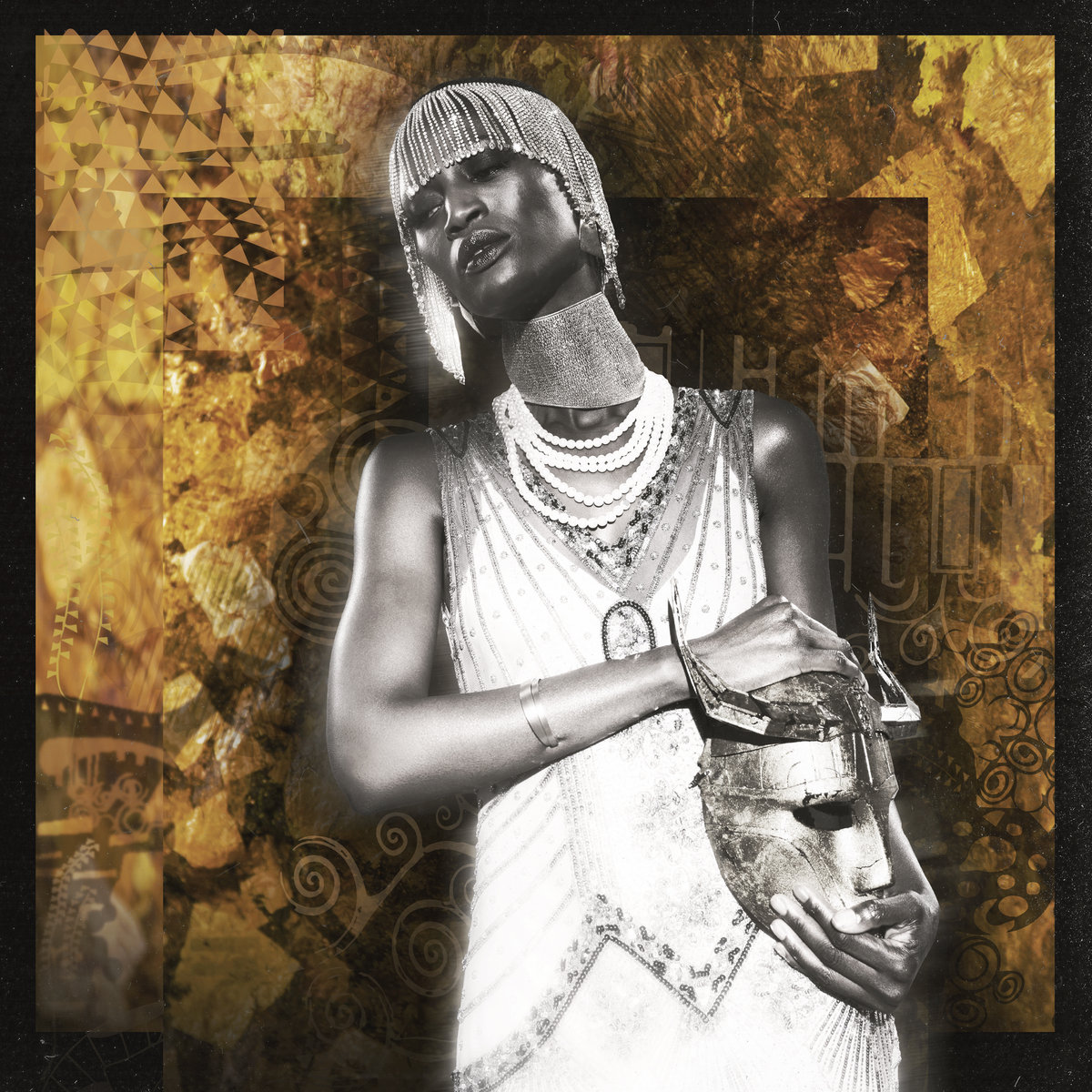
Art‑deco black/death metal warped by jazz‑fusion harmonies, atonal big‑band arrangements, and New‑York‑as‑decadent‑hellscape concept; a maximalist, layered barrage of horns, strings, electronics and blast‑beats.